
Why Does My AC Compressor Shut Off After 2-3 Minutes?
Experiencing an AC that turns off just a few minutes after starting is frustrating and can disrupt your comfort at home. AC compressors are designed to run in cycles, not short bursts, so this behavior usually indicates a problem called short cycling.
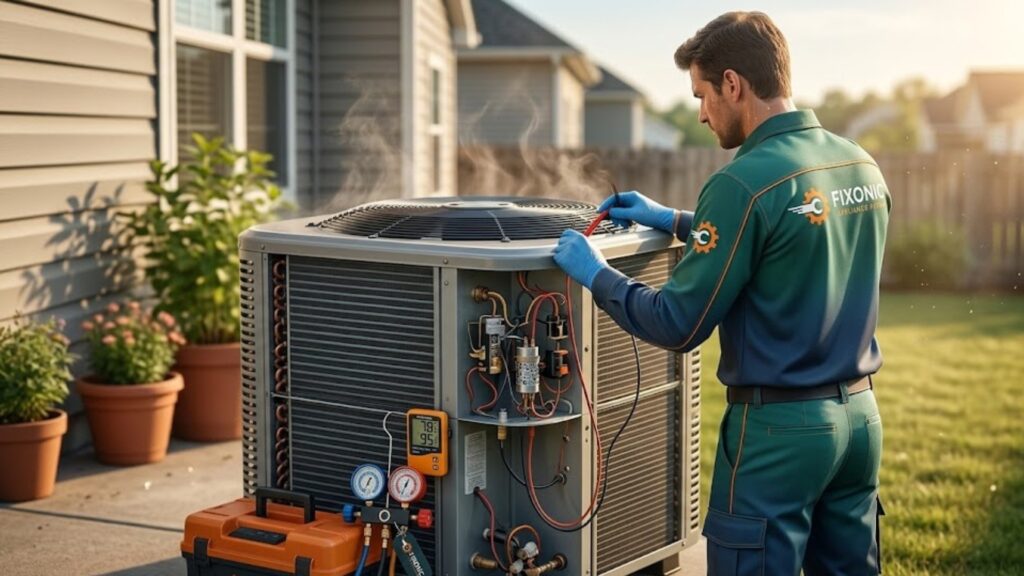
Experiencing an AC that turns off just a few minutes after starting is frustrating and can disrupt your comfort at home. AC compressors are designed to run in cycles, not short bursts, so this behavior usually indicates a problem called short cycling.
Table of Contents
1. Understanding AC Compressor Short Cycling
What is Short Cycling?
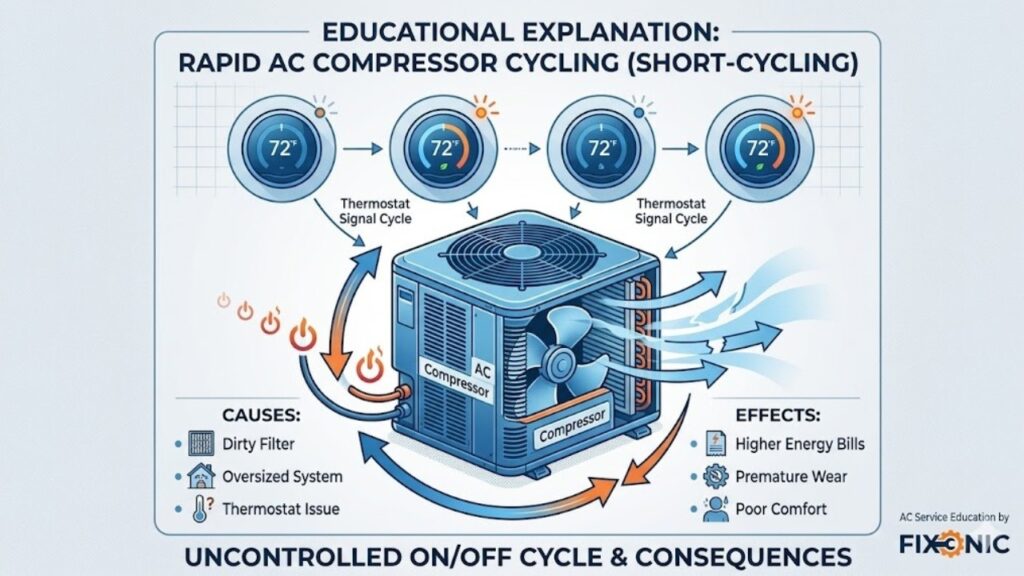
Short cycling occurs when an AC compressor switches on and off too quickly, often within 2–3 minutes. This reduces efficiency, increases energy bills, and puts unnecessary stress on components. In one case, a homeowner in Abilene noticed their energy bill spiked 25% due to repeated short cycling caused by a clogged condenser coil.
Normal Compressor Cycle
Under typical conditions, an AC compressor runs for 8–15 minutes per cycle to maintain the desired temperature. Short cycling differs because the compressor stops prematurely, leading to incomplete cooling and additional wear. Identifying whether your unit is short cycling requires monitoring run times and checking for recurring patterns during peak usage hours.
2. Common Causes of AC Compressor Shutting Off
Refrigerant Issues
Low refrigerant levels, leaks, or overcharging can trigger a compressor to shut off. For example, a recent case involved a mid-size Abilene home where a slow refrigerant leak caused the compressor to stop after 3 minutes consistently. Regular HVAC checkups can detect these issues before serious damage occurs.
Electrical Problems
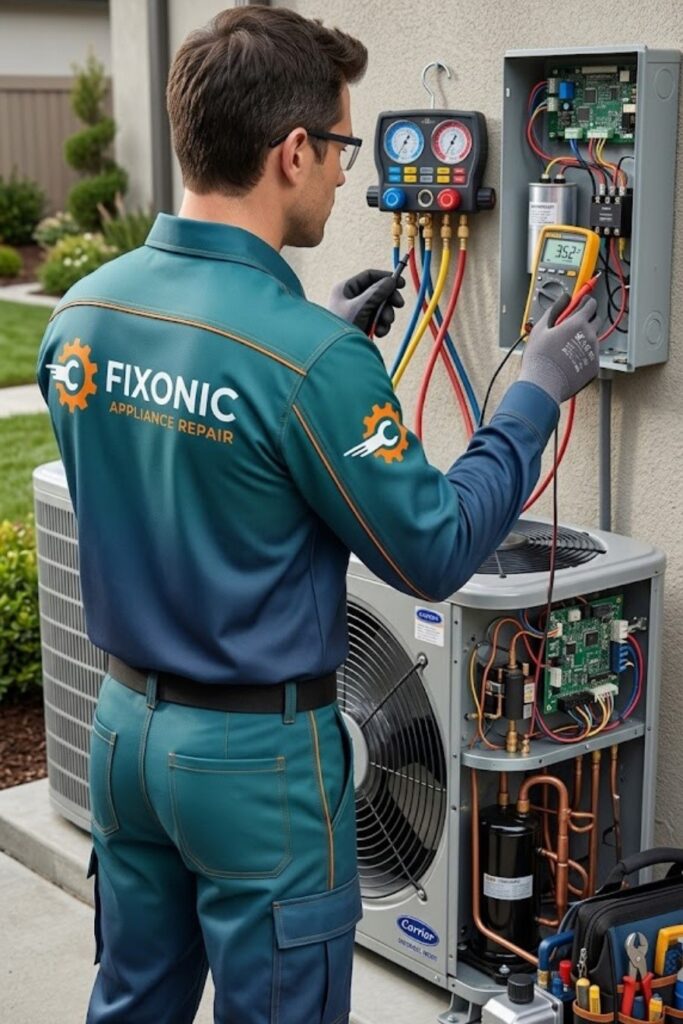
Faulty wiring, blown capacitors, or tripped circuit breakers are frequent causes of abrupt shutdowns. In one scenario, a damaged capacitor caused the compressor to stop repeatedly. Tools like a multimeter can identify electrical failures, but repairs should usually be handled by certified HVAC technicians.
Thermal Overload
Overheating from prolonged operation, blocked airflow, or dirty coils can activate safety switches, shutting off the compressor. A local Abilene homeowner reported overheating due to blocked airflow from debris around the condenser, resolved after clearing the area and cleaning coils.
Faulty Thermostat
A thermostat reading incorrectly or sensing the wrong temperature may repeatedly signal the compressor to shut down. Testing and recalibrating thermostats or replacing older units can restore normal cycling.
Clogged Air Filter
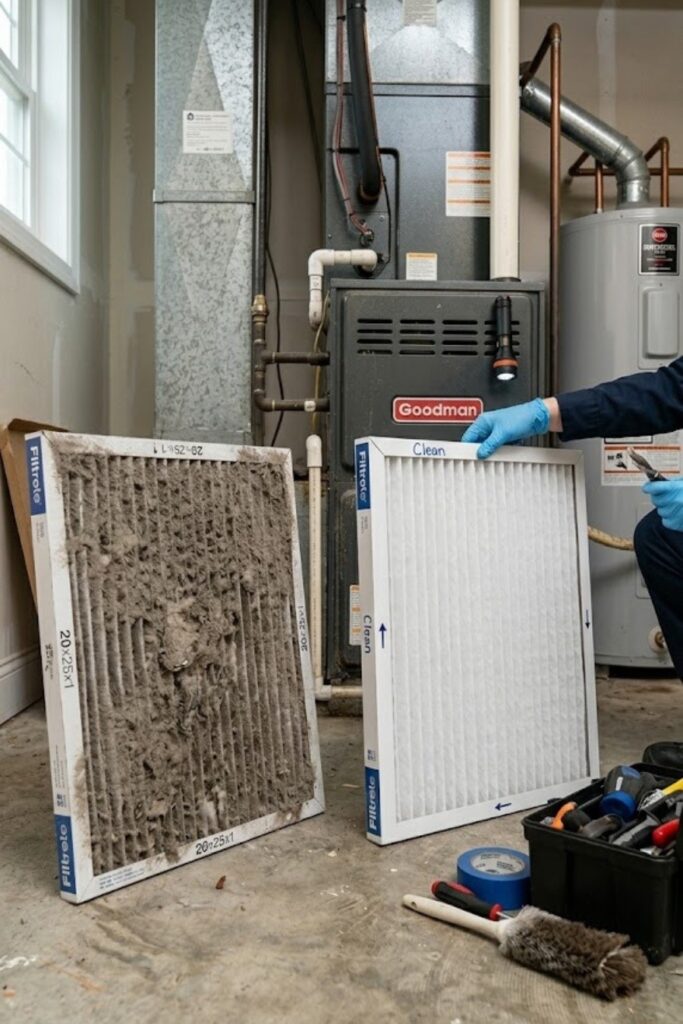
Restricted airflow from dirty filters can cause pressure imbalances, triggering the compressor to turn off. Regular filter changes, at least every 1–3 months, prevent this common and easily fixable problem.
Condenser Issues
Dirty, blocked, or damaged condenser coils reduce heat exchange efficiency. One Abilene case involved outdoor debris blocking the condenser, causing multiple short cycles. Cleaning coils and removing obstructions restored normal operation.
Contactor Problems
The contactor relays electricity to the compressor. A worn or damaged contactor can intermittently cut power, stopping the compressor. Replacement by a professional ensures safe and long-term operation.
System Size Mismatch
Oversized or undersized AC units often short cycle because the system cannot efficiently meet the home’s cooling load. Proper sizing during installation prevents recurring compressor shutdowns and reduces energy costs.
3. DIY Solutions for AC Compressor Shut-Off
Replacing Air Filters
Start by removing the old filter and installing a new one. This simple step improves airflow, reduces compressor strain, and is a cost-effective maintenance task. Remember to check monthly during peak summer months.
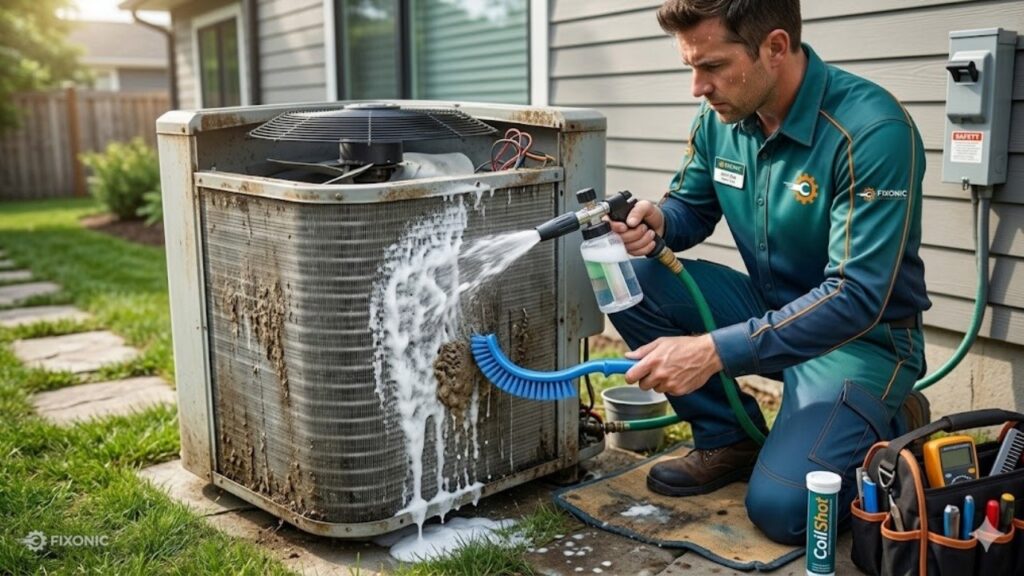
Inspecting and Cleaning Condenser Coils
Turn off power before cleaning coils. Remove debris, gently brush dust, and use a coil cleaner if needed. Safety precautions include wearing gloves and ensuring water doesn’t reach electrical components.
Troubleshooting Thermostat Issues
Check thermostat placement, settings, and battery levels. Recalibrate or replace if the unit fails to maintain consistent readings. In one Abilene case, repositioning a thermostat away from direct sunlight solved repeated short cycling.
Resetting the Circuit Breaker
Switch off the breaker controlling your AC for 30 seconds and reset. This simple method often resolves minor electrical issues without professional intervention, but persistent problems require expert evaluation.
Checking Refrigerant Levels
While DIY checks for leaks can help identify visible signs, adding refrigerant is best left to certified technicians. Handling refrigerants without certification is unsafe and may violate regulations.
4. When to Call a Professional HVAC Technician
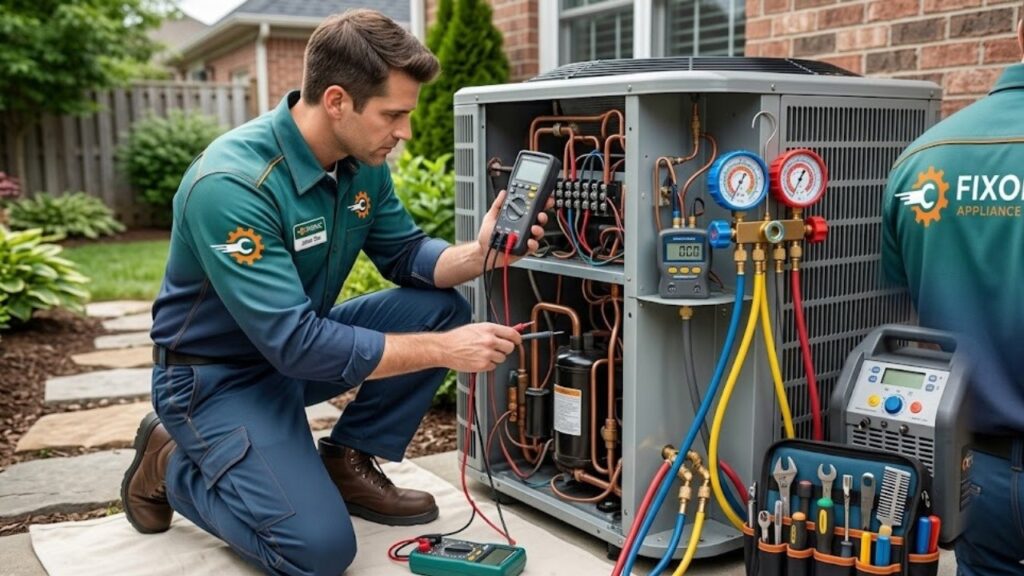
Complex Electrical Problems
Attempting to repair electrical components without expertise is risky. Professionals can safely handle wiring, capacitors, and other electrical failures.
Refrigerant Leak Repairs
Certified techs detect, repair, and refill refrigerant properly. This ensures compliance with safety and environmental standards.
AC System Evaluation
Repeated short cycling may indicate underlying issues not visible to homeowners. A professional evaluation prevents future compressor damage and costly replacements.
Component Replacement
Replacing compressors, contactors, or capacitors requires specialized tools and expertise. Professional handling ensures longevity and safety.
5. Preventative Maintenance Tips for AC Systems
Regular Filter Changes
Schedule filter changes every 1–3 months to maintain airflow and prevent short cycling. Consistent maintenance improves indoor air quality and system efficiency.
Annual Inspections or Tune-ups
Professional inspections detect minor issues before they escalate. Tune-ups also optimize efficiency and extend system lifespan.
Proper System Sizing & Installation
Ensure AC units are appropriately sized for your home. Proper installation reduces energy bills and prevents short cycling.
Keeping Condenser Area Clear
Remove leaves, debris, and obstructions around outdoor units. Adequate airflow prevents overheating and improves performance.
Checking Electrical Components Periodically
Inspect wiring, capacitors, and circuit breakers annually. Minor repairs now avoid major system failures later.’
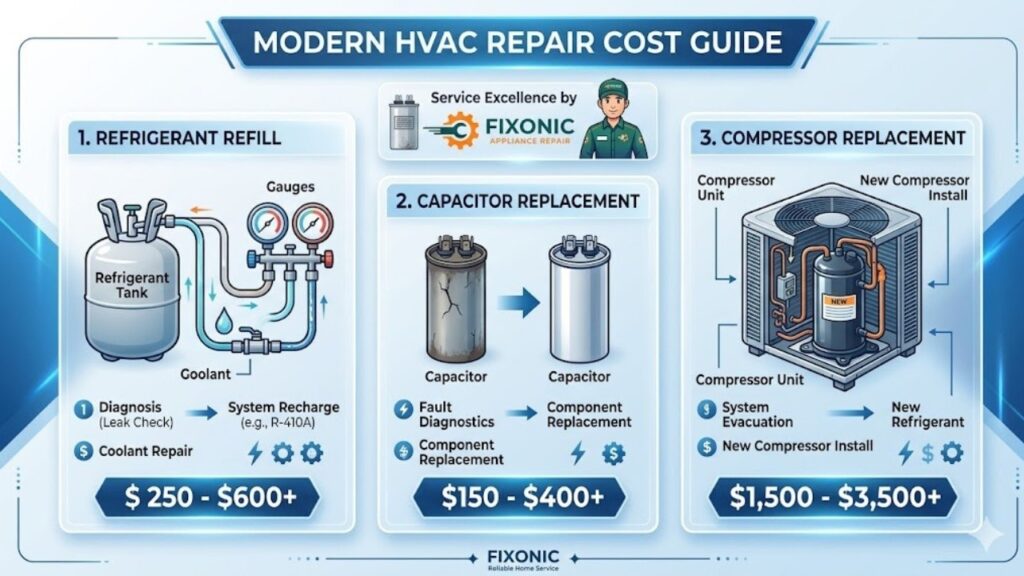
Cost Estimates for Common AC Repairs
- Refrigerant refill: $150–$350
- Capacitor or contactor replacement: $100–$250
- Full compressor replacement: $800–$1,500
- DIY vs professional repairs: DIY saves labor costs but carries risk; professional ensures safety and reliability