
The Weather’s Dropping | Is Your Heater Ready, Abilene?
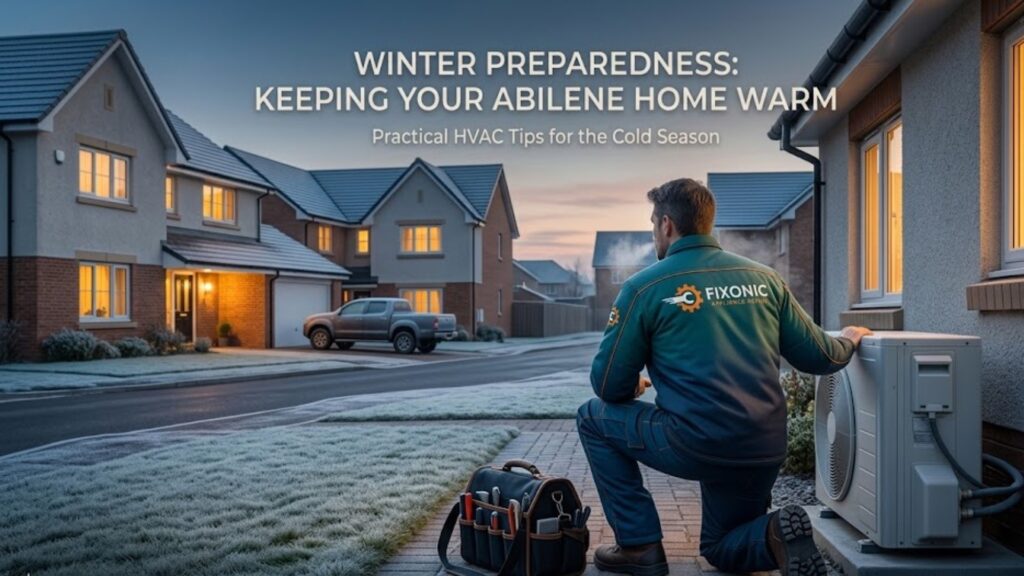
As winter arrives in Abilene, temperatures dip into the 30s and 40s, signaling the start of heater season. Homeowners, renters, and small business owners need to ensure their heating systems are ready before the cold sets in fully. A malfunctioning heater isn’t just inconvenient it can put your family at risk for frostbite, hypothermia, or even carbon monoxide exposure.
This guide provides practical, actionable steps for winter preparedness, covering heater maintenance, home safety, emergency planning, and local resources. By following these tips, Abilene residents can prevent costly repairs, reduce energy waste, and stay warm even during the coldest days.
Why Winter Preparedness Matters in Abilene
Abilene winters, although moderate compared to northern states, present unique challenges. Frostbite and hypothermia can occur during sudden temperature drops, while frozen pipes can cause significant water damage. Inefficient or malfunctioning heaters can spike energy bills, reduce comfort, and even create safety hazards.
Local Context: Big Country experiences occasional snow flurries and wind chills below zero, making preparedness essential. Homes without proper heater maintenance, vents, or insulation are especially vulnerable.
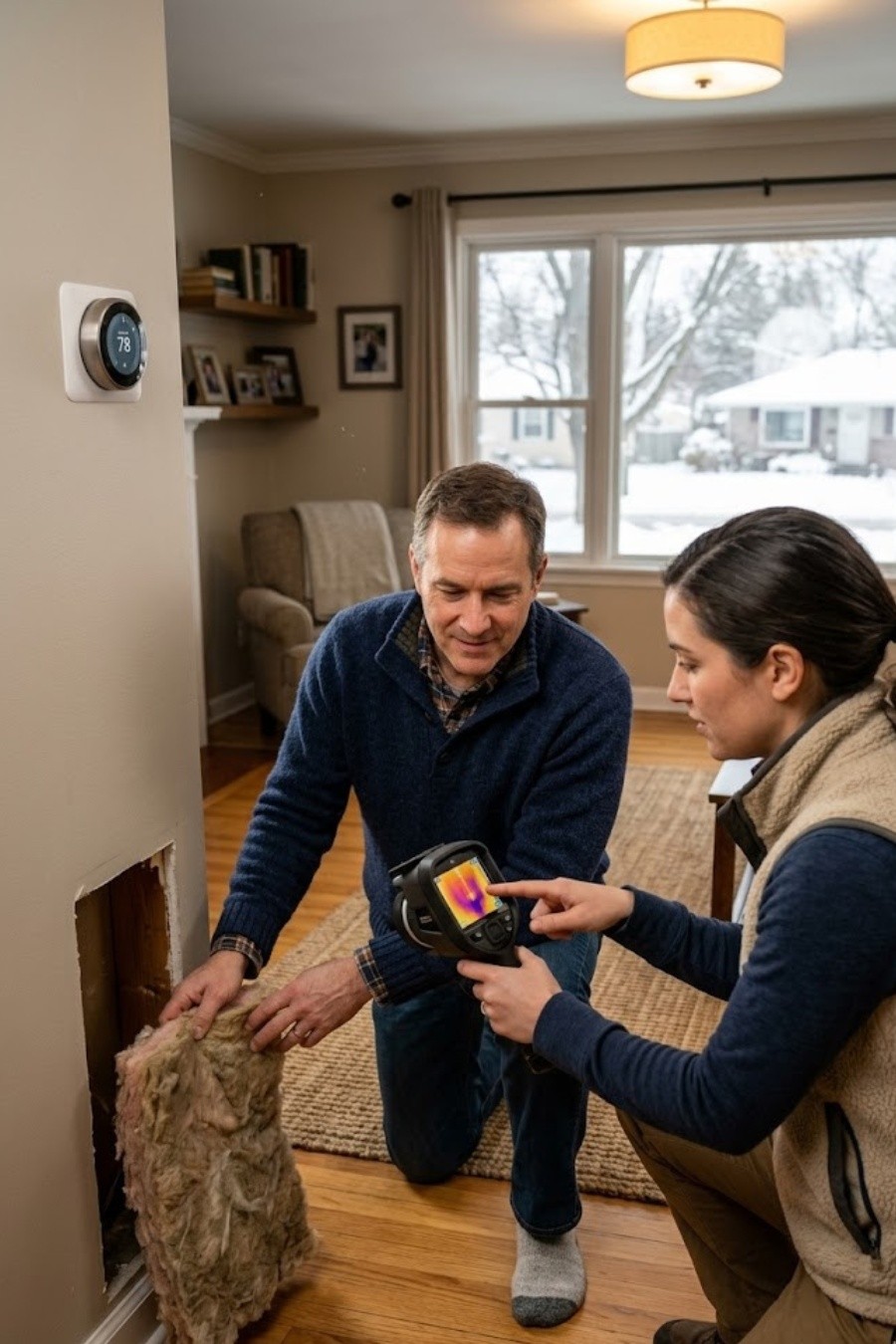
How to Check and Maintain Your Heater
Proper maintenance can prevent costly repairs and ensure your home stays warm. Here’s a step-by-step process:
Step 1 Test Your Heater Before the Cold Hits
- Turn on your heater and check airflow and thermostat responsiveness.
- Listen for unusual noises and detect any burning odors.
- Verify that carbon monoxide detectors are functional and batteries are fresh.
Case Study: One Abilene homeowner discovered uneven heat distribution in her living room. After cleaning vents and replacing a clogged filter, her heater worked efficiently, saving $50 on energy costs that week.
Step 2 Clean and Replace Filters
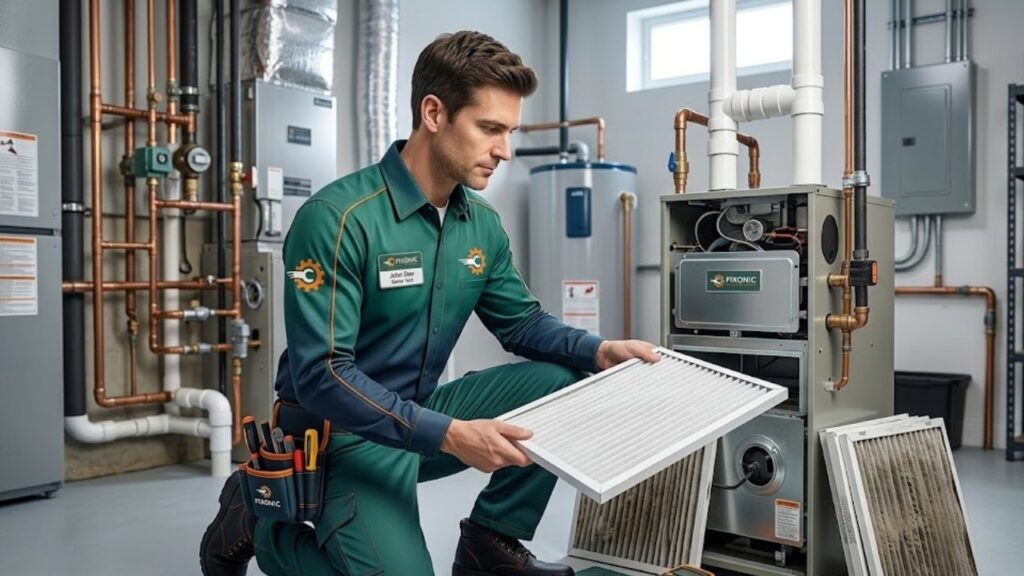
Dirty air filters reduce airflow and energy efficiency. Replacing or cleaning filters every 1–3 months ensures optimal performance. Recommended types include HEPA or pleated filters.
Step 3 Inspect Vents, Ducts, and Airflow
- Check for blockages or debris.
- Ensure warm air reaches all rooms evenly.
- Seal duct leaks with metal tape and confirm return vents are unobstructed.
Step 4 Schedule Professional Maintenance
Hiring a licensed technician ensures your heater is safe, parts are functioning, and warranties remain valid. Local options like Hall AC in Abilene provide reliable inspections and preventive maintenance.
Winter Safety Tips for Abilene Homes
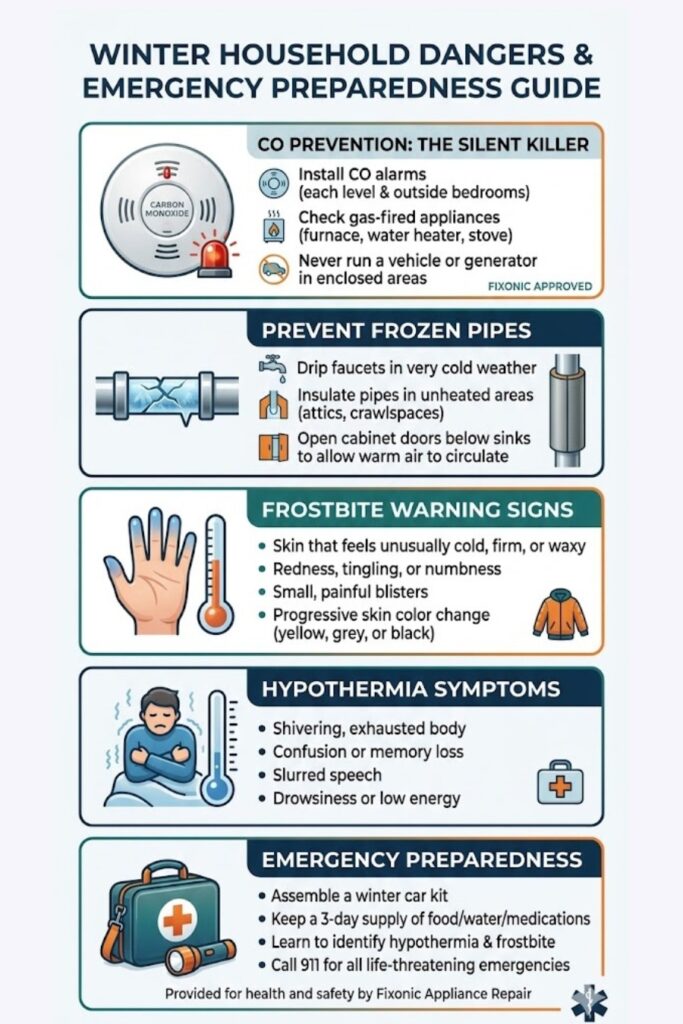
Carbon Monoxide and Safe Heating Practices
- Keep detectors in working order.
- Avoid indoor generator use and unsafe heating devices.
- Never block vents or tamper with heater safety features.
Protecting Pipes and Utilities
- Insulate pipes in unheated areas.
- Shut off outdoor water lines when temperatures approach freezing.
- Check insulation on vulnerable appliances like water heaters.
Personal Safety: Frostbite & Hypothermia
- Frostbite Signs: Numbness, waxy or gray skin, tingling in extremities.
- Hypothermia Signs: Shivering, confusion, drowsiness, slurred speech.
- Immediate Response: Warm affected areas gradually; call emergency services if severe.
Preparing Your Home for Winter Emergencies
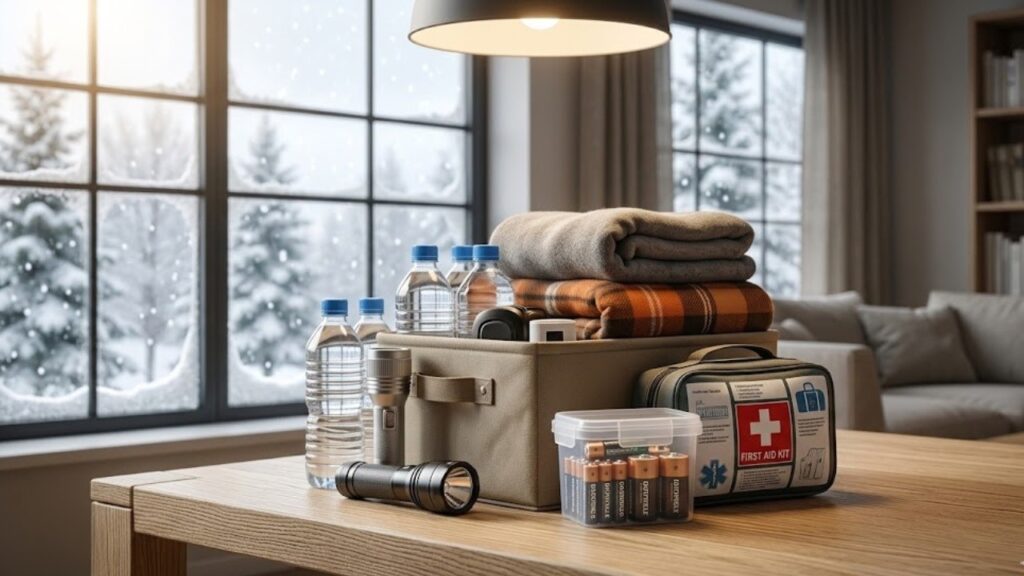
Stock Essential Supplies
Item | Purpose | Suggested Quantity |
Batteries | Flashlights, detectors | 6-8 |
Blankets | Extra warmth | 3-5 |
Bottled water | Drinking, emergencies | 3 gallons/person |
Non-perishable food | Last-resort meals | 3-5 days supply |
First aid kit | Minor injuries | 1 kit |
Pet supplies | Food, medications | 3 days supply |
Plan for Power Outages
- Keep backup heating options ready.
- Use generators safely outdoors only.
- Prepare rooms with blankets and insulated covers for overnight warmth.
Winter Weather Alerts and Local Warnings
Understanding Watches, Warnings, and Advisories
- Cold watches/warnings indicate dangerous temperatures.
- Snow and ice alerts affect travel and home preparation.
- Receive notifications via EAS, NOAA Weather Radio, or smartphone apps.
Taking Action When Alerts Are Issued
- Adjust travel plans and protect property.
- Check on neighbors, especially elderly or at-risk individuals.
- Prepare heating devices and appliances in advance of cold snaps.
Local Resources and Support in Abilene
- Salvation Army and Love and Care Ministries provide warming shelters.
- Community tips, volunteer assistance, and emergency outreach programs
How do I know if my heater is safe to use during Abilene winter?
Check that your heater blows warm air consistently and that the thermostat responds correctly. Listen for unusual noises and inspect for burning or smoky odors. Ensure carbon monoxide detectors are functional, and check that air filters are clean. If anything seems off, schedule a professional inspection. Regular maintenance prevents inefficiency and safety risks.
What steps can I take to prevent frozen pipes at home?
Insulate exposed pipes, especially in unheated areas like garages or basements. Keep indoor temperatures consistent, even overnight, and allow faucets to drip slightly when temperatures fall below freezing. Shut off outdoor water lines and disconnect hoses. Inspect pipes for leaks or cracks before winter arrives to avoid costly water damage.
How can I recognize early signs of frostbite or hypothermia?
Frostbite typically presents as numbness, tingling, or waxy-looking skin on fingers, toes, ears, or nose. Hypothermia may show shivering, confusion, slurred speech, drowsiness, or exhaustion. If you notice these symptoms, move to a warm area immediately, remove wet clothing, and seek medical attention if symptoms persist.
What emergency supplies should every Abilene homeowner have for winter?
A complete emergency kit should include blankets, bottled water, flashlights with extra batteries, non-perishable food, a first aid kit, and essential pet supplies. Also, keep tools for minor appliance troubleshooting, spare filters for heaters, and portable chargers for communication devices. Stocking supplies ensures safety during power outages or severe weather events.
How often should I schedule professional heating system maintenance?
It’s recommended to schedule a professional inspection at least once a year before the heating season begins. Technicians can check for worn parts, clean components, test carbon monoxide safety, and ensure the system runs efficiently. Annual maintenance prevents breakdowns and prolongs heater lifespan.
Can I safely use portable heaters or generators indoors? (Myth-busting)
No portable heaters should only be used according to manufacturer instructions, and generators should never be operated indoors due to carbon monoxide risk. Indoor use can be fatal. Instead, use space heaters with tip-over protection and carbon monoxide detectors, and operate generators outdoors at a safe distance from windows and vents.